We use cookies to make your experience better. To comply with the new e-Privacy directive, we need to ask for your consent to set the cookies. Learn more.


Carbon Fiber: The Photographer's Advantage in Monopods and Tripods
May 16, 2025
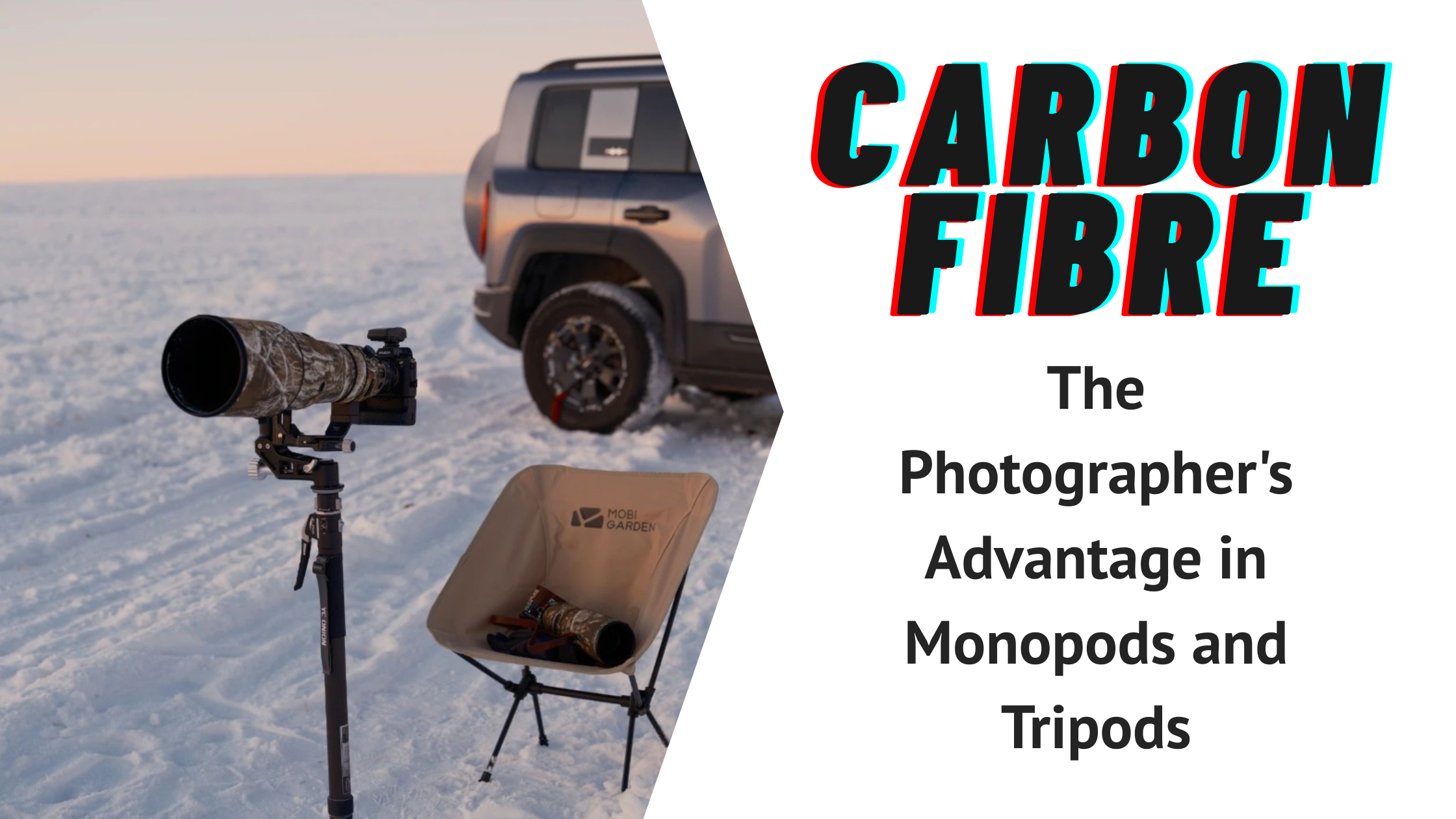
Carbon Fibre: The Photographer's Advantage in Monopods and Tripods
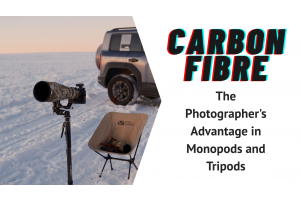
In the world of photography equipment, the materials used can make a significant difference in both performance and user experience. Carbon fibre has emerged as a premium material for camera supports, particularly monopods and tripods. Let's explore why this advanced material has become so desirable among photographers of all levels.
Weight Reduction Without Compromising Stability
One of the most celebrated benefits of carbon fibre tripods and monopods is their exceptional strength-to-weight ratio. These supports are typically 30-40% lighter than their aluminium counterparts while maintaining comparable or even superior stability. For landscape photographers hiking to remote locations or travel photographers navigating airports and city streets, this weight reduction can prevent fatigue and make the difference between bringing proper support equipment or leaving it behind.
Vibration Dampening Properties
Carbon fibre possesses natural vibration absorption capabilities that aluminium and other metals simply cannot match. This translates to sharper images, especially when:
- Using telephoto lenses that magnify even minor vibrations
- Shooting in windy conditions where equipment might otherwise shake
- Working with slower shutter speeds that are more susceptible to motion blur
Professional wildlife and sports photographers particularly appreciate this quality when tracking fast-moving subjects with heavy lenses.
Temperature Resistance and Comfort
Unlike metal tripods that become uncomfortably cold in winter conditions or hot in direct sunlight, carbon fibre maintains a relatively neutral temperature.
This means:
- No freezing hands when shooting winter landscapes
- No risk of burns when retrieving equipment left in the sun
- Consistent performance across extreme temperature environments
Corrosion Resistance
For photographers working in coastal environments, rainy conditions, or humid climates, carbon fibre offers excellent resistance to corrosion and rust. While aluminium tripods can oxidise over time, affecting both their appearance and functionality, carbon fibre remains largely impervious to environmental moisture.
Longevity and Investment Value
While the initial cost of carbon fibre support equipment typically exceeds that of aluminium alternatives, the durability and longevity often justify the expense. A quality carbon fibre tripod or monopod can easily last a decade or more of active use, making it a sound investment for committed photographers.
Practical Considerations
When selecting carbon fibre support equipment, consider these factors:
- The number of carbon fibre layers (more layers generally means greater strength)
- Maximum load capacity relative to your heaviest camera/lens combination
- The quality of the head and leg locks (even the best carbon fibre won't compensate for poor components)
Longevity and Investment Value
For photographers who frequently transport their equipment, shoot in challenging conditions, or simply want the best possible image quality, carbon fibre monopods and tripods offer compelling advantages. While the higher price point remains a consideration, the combination of weight savings, vibration control, and durability makes these tools worthy additions to any serious photographer's kit.
Whether you're capturing the perfect sunset, waiting patiently for wildlife, or shooting fast-action sports, the right carbon fibre support can elevate both your experience and your results.
Related Products
-
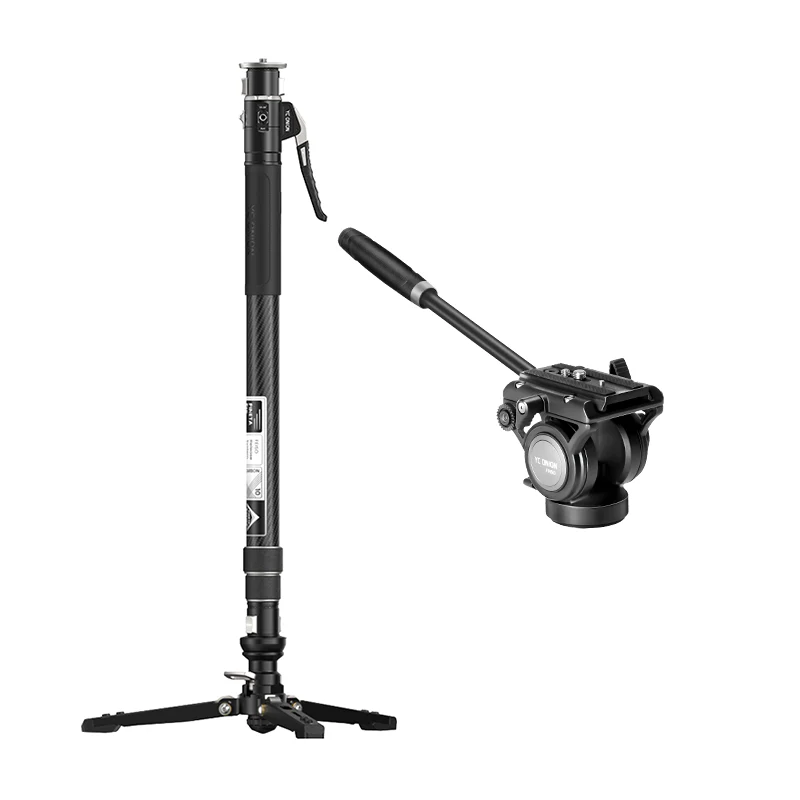 YC Onion Pineta Pro Carbon Fiber Monopod & FH60Special Price £379.00 £315.83 Regular Price £489.00
 -
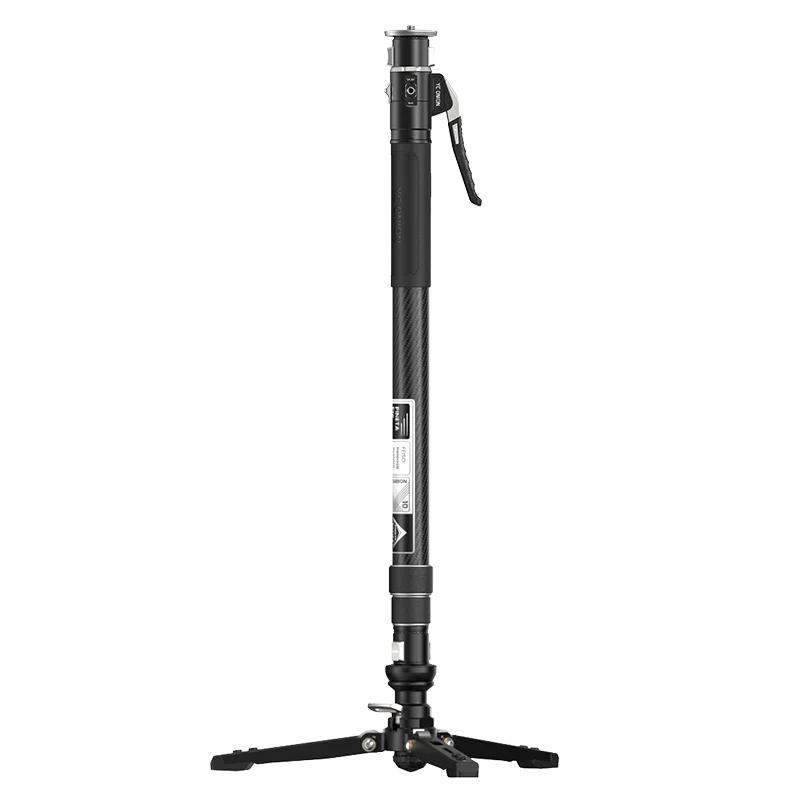 YC Onion Pineta Pro Carbon Fiber MonopodSpecial Price £329.00 £274.17 Regular Price £349.00
0 Comment(s)
Recent Posts